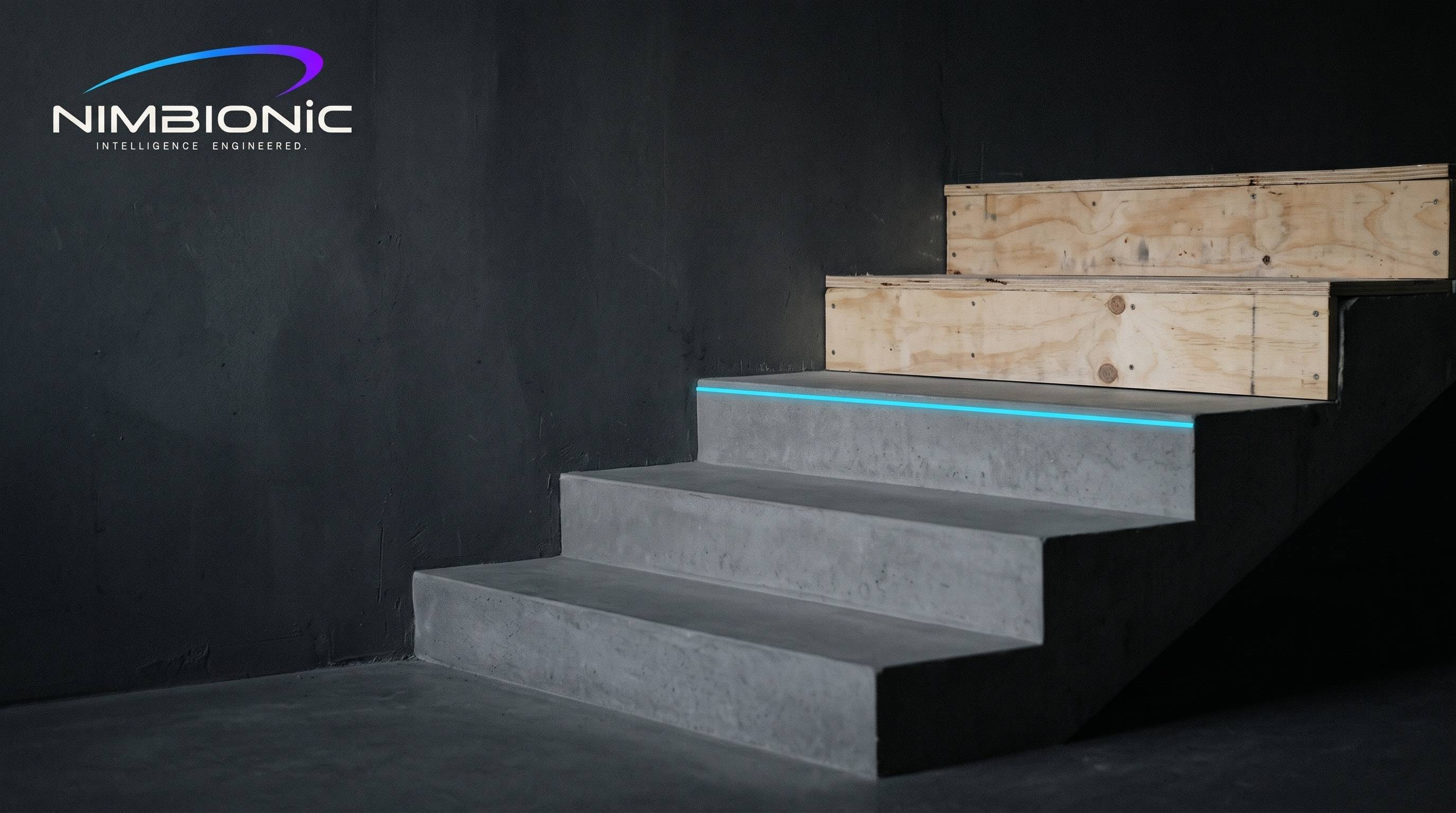
The alternative, and why it fails
The traditional approach writes down everything first, builds it all, and reveals it at the end. It assumes the requirements were complete and correct at the start. They never are. The misunderstandings are discovered when the budget is spent and the date has arrived.
How staged delivery works
- The work is divided into stages of a few weeks.
- Each stage delivers something that runs and can be tried.
- You review it, with real data where possible.
- What you learn adjusts the plan for the next stage.
- Payment can follow delivered stages.
What you gain
| Benefit | Why |
|---|---|
| Earlier warning | A misunderstanding costs one stage, not the project |
| A usable result sooner | The first stages can go live while later ones are built |
| Room to change your mind | Priorities are revisited at each stage |
| A clearer view of progress | You see working software, not a percentage |
What it asks of you
Someone on your side needs time, every stage, to try what was built and say what is wrong with it. Decisions cannot wait weeks. If nobody can give that time, the reviews become a formality and the benefit is lost.
It also means accepting that the later stages are described more loosely at the start. The overall scope and budget can still be agreed up front. What stays open is the detail of work you have not yet learned enough to specify.